Have you ever wondered how Korean spas became such an essential part of wellness culture? Unlike typical Western spas, Korean spas – known as jjimjilbangs – offer a communal, all-day experience that goes beyond just massages and facials.
Rooted in centuries-old traditions, jjimjilbangs have evolved into modern-day wellness retreats, combining heat therapy, hydrotherapy, skincare, and relaxation.
Let’s explore how these unique spas transitioned from ancient bathhouses to luxury wellness centers, shaping the way people experience self-care today.
Key Takeaway
- Korean spas (jjimjilbangs) date back centuries, originating from traditional bathhouses and hot springs used for healing and relaxation.
- Over time, these spas evolved from simple public baths to multi-facility wellness centers, incorporating saunas, hydrotherapy, and skin treatments.
- Today, modern jjimjilbangs combine ancient traditions with luxury, offering a unique holistic spa experience that promotes health and relaxation.
Ancient Origins of Korean Bathhouses
The tradition of communal bathing in Korea dates back to ancient times, influenced by both natural hot springs and traditional herbal medicine.
Hot Springs & Healing Waters
- Early Koreans used naturally heated mineral waters for their therapeutic benefits, believing they could improve circulation, detoxify the body, and relieve stress.
- These hot springs, much like Japanese onsen, were central to self-care and social bonding.
Buddhist Influence on Korean Bathing Culture
- With the rise of Buddhism in Korea around the 4th century, monastic bathhouses became common.
- Monks viewed bathing as a spiritual and physical cleansing ritual, promoting both health and mindfulness.
These early traditions laid the foundation for what would later become jjimjilbangs, shaping the Korean approach to holistic wellness.
The Evolution of Jjimjilbangs in Korea
As Korean society developed, bathhouses transformed from small, functional spaces into larger, multi-purpose spas known as jjimjilbangs.
Hanjeongmak: The Birth of Korean Sauna Culture
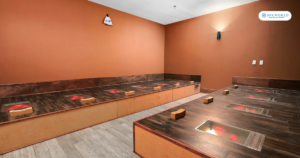
- In the 15th century, Korea introduced Hanjeongmak, or traditional kiln saunas.
- These clay or stone rooms were heated to high temperatures using wood fire, believed to help with detoxification, pain relief, and skin rejuvenation.
- Today, modern Gold Pyramid Room and Himalayan Salt Room at Spa World Houston draw inspiration from these traditions.
The Rise of Full-Scale Jjimjilbangs
- By the 20th century, Korean spas evolved into large, 24-hour wellness centers.
- These modern jjimjilbangs included:
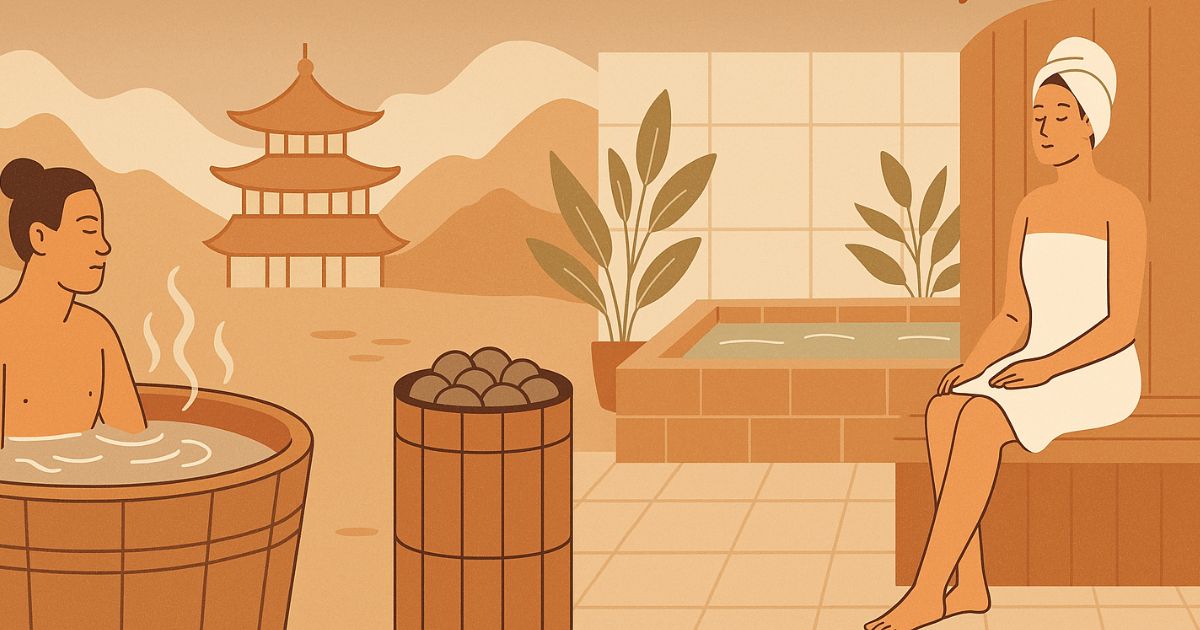
Multiple sauna rooms with different healing properties.
Hot and cold baths for circulation and muscle relaxation.
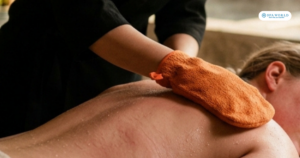
Seshin (Korean body scrubs) to exfoliate dead skin and improve blood flow.
Unlike Western spas, jjimjilbangs became social spaces, where families and friends could relax together while enjoying wellness treatments.
Key Features of Traditional Korean Spas
A visit to a jjimjilbang is a full-body healing experience. Some of the signature elements include:
Hanjeongmak (Korean Kiln Saunas)
- These traditional clay or stone-heated saunas help with detoxification, muscle relaxation, and improving skin elasticity.
Hydrotherapy Pools & Hot Baths
- Korean spas offer a mix of hot, cold, and herbal baths, each designed to enhance circulation, reduce stress, and improve skin health.
Seshin (Korean Body Scrubs)
- A signature Korean spa treatment that involves deep exfoliation using textured gloves, removing dead skin and leaving you feeling refreshed.
Related: Everything about Korean body scrub
Relaxation Lounges & Cafés
- After spa treatments, guests enjoy resting areas, sometimes with heated floors for relaxation.
- Traditional Korean spas often serve herbal teas, eggs, and rice drinks, all believed to aid digestion and detoxification.
Korean Spas Go Global: Expansion Beyond Korea
As jjimjilbang culture grew, it expanded beyond Korea, especially in cities with large Korean communities like Los Angeles, New York, and Houston.
Why Korean Spas Became Popular Worldwide:
- People were drawn to the affordable, all-day relaxation experience.
- The focus on natural healing and detoxification appealed to health-conscious individuals.
- Many Korean spas blended traditional and modern wellness treatments, making them a unique alternative to standard Western spas.
Today, Korean spas can be found across the U.S., offering people of all backgrounds a chance to experience this ancient wellness tradition.
Modern Luxury: How Korean Spas Blend Tradition with Innovation
While jjimjilbangs maintain their traditional roots, many modern Korean spas have evolved into luxury wellness centers.
High-End Spa Experiences
- Some Korean spas now offer VIP packages, combining traditional treatments with luxury skincare, aromatherapy, and advanced body therapies.
Innovative Sauna Rooms
- Modern Korean spas have introduced specialized sauna experiences, such as:
Himalayan Salt Therapy – Detoxifies and improves respiratory health.
Infrared Saunas – Penetrates deep into muscles to relieve tension and stress.
Wellness & Sleep Zones
- Some jjimjilbangs now include sleep zones, allowing visitors to rest in a peaceful, heated environment for ultimate relaxation.
Modern Korean spas prove that tradition and innovation can coexist, creating a unique blend of ancient healing and modern luxury.
Why Korean Spas Are More Than Just a Bathhouse
Unlike Western spas, which focus on individual relaxation, Korean spas emphasize:
Community Wellness – A space to relax with family and friends.
Holistic Healing – Using heat, water, and natural minerals for full-body wellness.
Affordability – A cost-effective way to enjoy multiple spa experiences in one visit.
Conclusion
From ancient bathhouses to modern luxury spas, Korean jjimjilbangs have transformed into global wellness destinations. They offer a unique combination of tradition, community, and full-body healing – all in an affordable, all-day experience.
Ready to experience authentic Korean spa traditions? Visit Spa World Houston and explore our sauna rooms, hydrotherapy pools, and traditional treatments for ultimate relaxation.