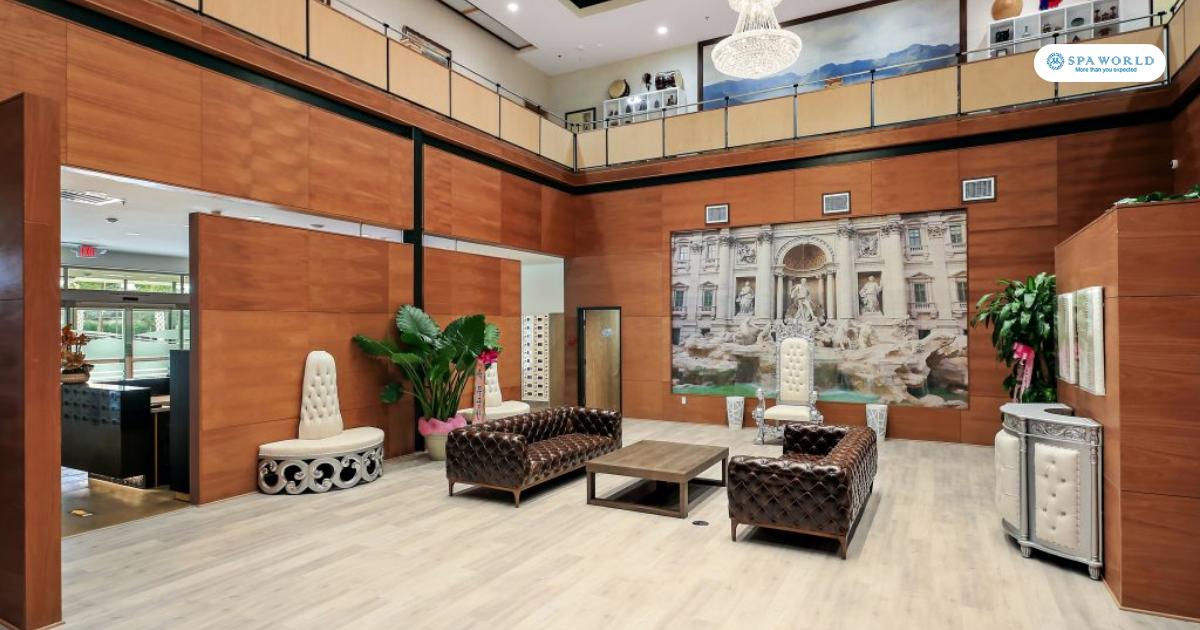
Choosing the right corporate event venue can influence everything from attendance and engagement to the overall success of the event. The best venue is one that supports your goals, comfortably accommodates your guests, and provides the amenities needed to keep the day running smoothly.
If you’re planning a team retreat, client appreciation event, company celebration, networking gathering, or leadership meeting, the venue deserves as much attention as the agenda itself.
Houston offers no shortage of event spaces, but not all venues are built for corporate groups. Knowing what to look for before signing a contract can help you avoid common planning mistakes and create a better experience for everyone involved.
Start With the Purpose of the Event
Before comparing venues, define what success looks like for the event.
A quarterly planning meeting has very different requirements than a company holiday party. Likewise, a client networking event needs a different atmosphere than a team-building retreat.
Ask yourself:
- Is the goal education or collaboration?
- Are you celebrating a milestone?
- Will clients or partners attend?
- Do you need formal presentations?
- Is team building a priority?
The answers will help narrow your options quickly.
Consider Location and Accessibility
Houston’s size makes location a major factor.
A venue might look perfect online, but attendance can suffer if guests face long commutes or difficult parking arrangements.
Look for a venue that offers:
- Easy highway access
- Convenient parking
- Clear directions
- Nearby accommodations if needed
For companies with employees spread across the Houston area, easy highway access and convenient parking can be just as important as geographic location. A central venue can also improve participation by making the drive easier for more team members.
Make Sure the Venue Fits Your Group Size
Capacity involves more than simply counting chairs.
A room that feels crowded can make networking difficult. A room that feels too large can reduce energy and engagement.
When evaluating venues, ask:
- What is the recommended capacity?
- How are tables arranged?
- Can layouts be customized?
- Are there separate breakout areas?
The ability to adjust room layouts can be valuable as event plans evolve.
Evaluate Available Meeting Spaces
Many corporate events require dedicated meeting areas.
Conference rooms can support:
- Executive meetings
- Training sessions
- Workshops
- Interviews
- Presentations
Having meeting space available within the venue can reduce the need for additional rentals and simplify logistics.
Spa World Houston provides conference rooms for meetings, interviews, private dinners, and small group gatherings, allowing companies to combine business activities with social experiences in a single location.
Look Beyond the Meeting Room
One of the most common mistakes in corporate event planning is focusing only on the presentation portion of the day.
The most memorable corporate events usually include opportunities for conversation, relationship building, and informal interaction.
Consider whether the venue provides spaces where attendees can relax between sessions.
Features that can enhance the experience include:
- Lounge areas
- Outdoor gathering spaces
- Dining options
- Entertainment activities
- Private event spaces

These elements often become the moments attendees remember most.
Food and Beverage Options Matter
Guests tend to remember two things from an event: the people they met and the food they ate.
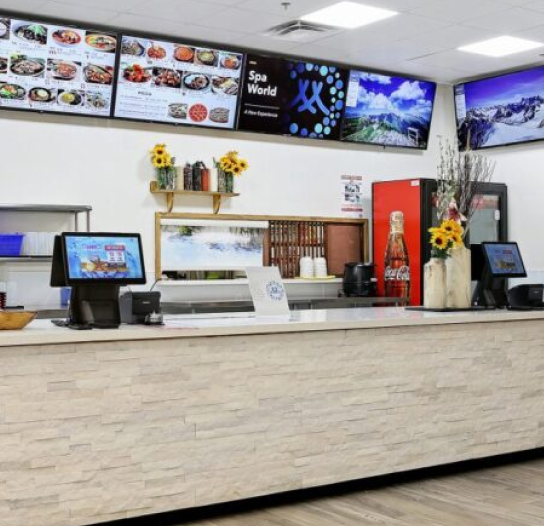
A venue with on-site dining can significantly reduce planning complexity.
When evaluating venues, ask:
- Is catering available?
- Are there meal packages?
- Can dietary restrictions be accommodated?
- Are snacks and beverages available throughout the day?
Having food service within the venue eliminates the need to coordinate with multiple vendors.
Spa World Houston offers an on-site Korean restaurant, café, and bar, allowing event organizers to provide meals, refreshments, and social gathering opportunities without leaving the property.
Think About Team Building Opportunities
Corporate events increasingly include team-building activities.
Employees often spend most of their workday interacting through email, chat platforms, and virtual meetings. Events create opportunities for face-to-face connection.
Look for venues that offer built-in activities.
Examples include:
-
Interactive experiences
-
Recreational activities
-
Group competitions
-
Private entertainment spaces
Activities provide natural conversation starters and help employees connect outside their normal work environment.
Spa World Houston offers private karaoke rooms, virtual golf experiences, and gathering spaces for team activities and celebrations.
Consider the Overall Guest Experience
Think about the event from the attendee’s perspective.
What happens after they arrive?
Will they spend the entire day sitting in one room, or will they have opportunities to recharge and engage in different ways?
Venues that offer a variety of environments often create a more comfortable experience.
Features that can improve guest satisfaction include:
-
Comfortable seating
-
Quiet areas
-
Relaxation spaces
-
Outdoor access
-
Flexible gathering areas
The goal is to create an experience that keeps attendees engaged throughout the event.
Check Available Event Packages
Many venues offer event packages that combine multiple services.
This can simplify planning and reduce administrative work.
Ask whether packages include:
- Room rental
- Food service
- Entertainment
- Event coordination
Bundled services often reduce the number of vendors you need to manage.
Don’t Overlook Networking Opportunities
Networking is often one of the most valuable outcomes of a corporate event.
Whether employees are connecting across departments or clients are building relationships with company leadership, the venue should support conversation.
Look for:
- Open gathering areas
- Comfortable seating arrangements
- Areas designed for small group interaction
Large open spaces and dedicated social areas can help conversations happen naturally.
Consider Hosting Something Different
Traditional hotel conference rooms still serve an important purpose, but many organizations are searching for more engaging event environments.
Unique venues can help increase participation and improve attendee satisfaction.
For example, some companies combine business meetings with wellness activities, dining experiences, or recreational options to create a more balanced event schedule.
This approach often works particularly well for:
- Employee appreciation events
- Leadership retreats
- Team-building gatherings
- Company celebrations
- Client entertainment events
Questions to Ask Before Booking
Before signing an agreement, ask:
- What is the maximum capacity?
- Are there private meeting rooms available?
- What food and beverage options are offered?
- What entertainment or activities are available?
- Is parking included?
- Are there additional fees?
- What is the cancellation policy?
- Can the space be customized for our event?
These questions can help identify potential challenges before they become planning problems.
Why Venue Flexibility Matters
Event plans rarely stay exactly the same from start to finish.
Guest counts change. Agendas evolve. New requirements appear.
Flexible venues make these adjustments easier.
A venue that offers multiple room types, dining options, gathering spaces, and entertainment opportunities can adapt more easily to changing needs.
That flexibility often becomes one of the most valuable features event planners discover after the event is underway.
Planning Ahead Can Save Time and Stress
Popular corporate event venues often book well in advance, especially during holiday seasons and peak business periods.
Starting the search early provides:
- More venue choices
- Better scheduling flexibility
- Greater negotiating power
- Less last-minute stress
If your organization hosts recurring events, building a relationship with a venue can make future planning even smoother.
FAQs
How far in advance should I book a corporate event venue?
For larger events, booking several months in advance is often recommended. Popular dates and venues can fill quickly, especially during the holiday season.
What size venue do I need for a corporate event?
The answer depends on attendance, seating arrangements, and event activities. Always ask the venue for recommended capacities based on your planned setup.
Should a corporate event venue provide food?
Not necessarily, but on-site dining or catering can simplify planning and improve convenience for attendees.
What amenities are most important for corporate events?
Meeting space, parking, food options, comfortable seating, and areas for networking are among the most commonly requested features.
Are unique venues better than traditional conference centers?
It depends on the event goals. Unique venues can create a more memorable experience, while traditional conference centers may be better suited for highly structured meetings.
What should I prioritize when comparing venues?
Start with location, capacity, guest experience, and available amenities. These factors typically have the greatest impact on event success.