While a pedicure pampers your feet, reflexology goes deeper, targeting internal pressure points to relieve pain, improve circulation, and reduce swelling. For tired Houston commuters, it’s the right therapy.
If you’re spending hours stuck in Houston traffic, walking around hot parking lots, or standing all day at work, your feet pay the price. That pounding, swelling, and burning sensation? It’s your body asking for more than a cosmetic fix.
What a Pedicure Does (and Doesn’t Do)?
Sure, a good pedicure can:
- Smooth rough skin
- Clean up your nails
- Offer a light foot massage
But this is the truth: it’s surface-level relief. The pampering is relaxing, but it doesn’t target deep muscle knots, nerve connections, or circulation pathways.
Why Reflexology Wins for Pain Relief?
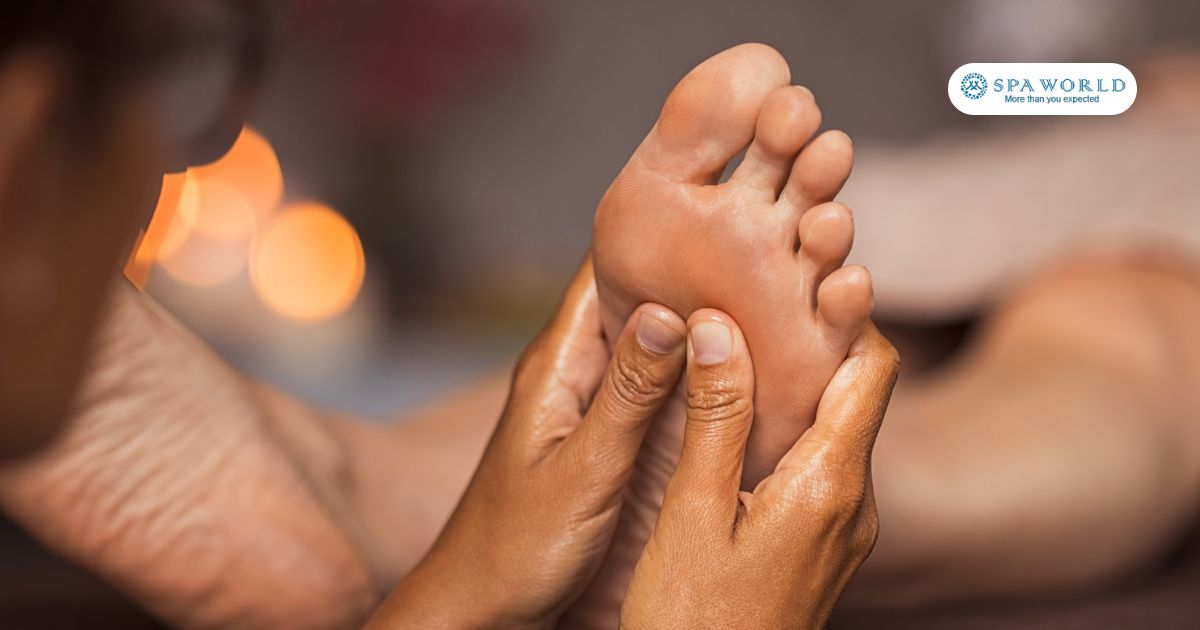
Reflexology is a therapeutic massage that applies pressure to specific points on the feet (or hands) that correspond to organs and systems throughout your body.
Benefits include:
- Releasing deep tension in feet, calves, and ankles
- Stimulating nerve pathways to improve internal balance
- Reducing inflammation, swelling, and water retention
- Enhancing mood and clarity through a nervous system reset
Unlike a pedicure, reflexology can help relieve:
- Plantar fasciitis
- Heel and arch pain
- Calf stiffness
- Lower back tension (linked through foot pressure zones)
What the Science Says
A growing number of studies support reflexology’s pain-reducing powers:
- A 2022 study in the Healthcare (Basel) showed significant pain reduction in patients who received reflexology over traditional foot massage.
- According to NIH research, reflexology stimulates the central nervous system and modulates pain perception across the body, not just in the feet.
Beyond the Feet: Reflexology’s Full-Body Benefits
When you stimulate reflex points, you’re not just treating your feet. You’re helping:
- Your digestive system
- Your endocrine and lymphatic systems
- Your immune response
- And even your sleep cycle and stress hormones
That’s why reflexology leaves you lighter, looser, and more energized after a session.
Related: Reflexology vs Acupressure
Spa World Reflexology: What to Expect
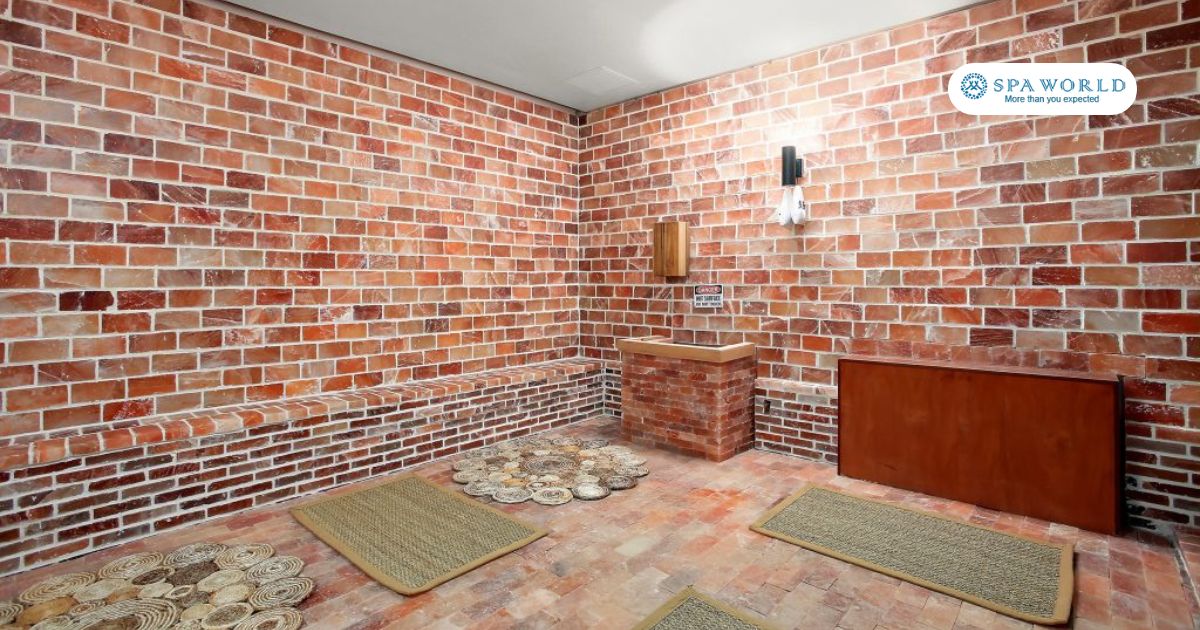
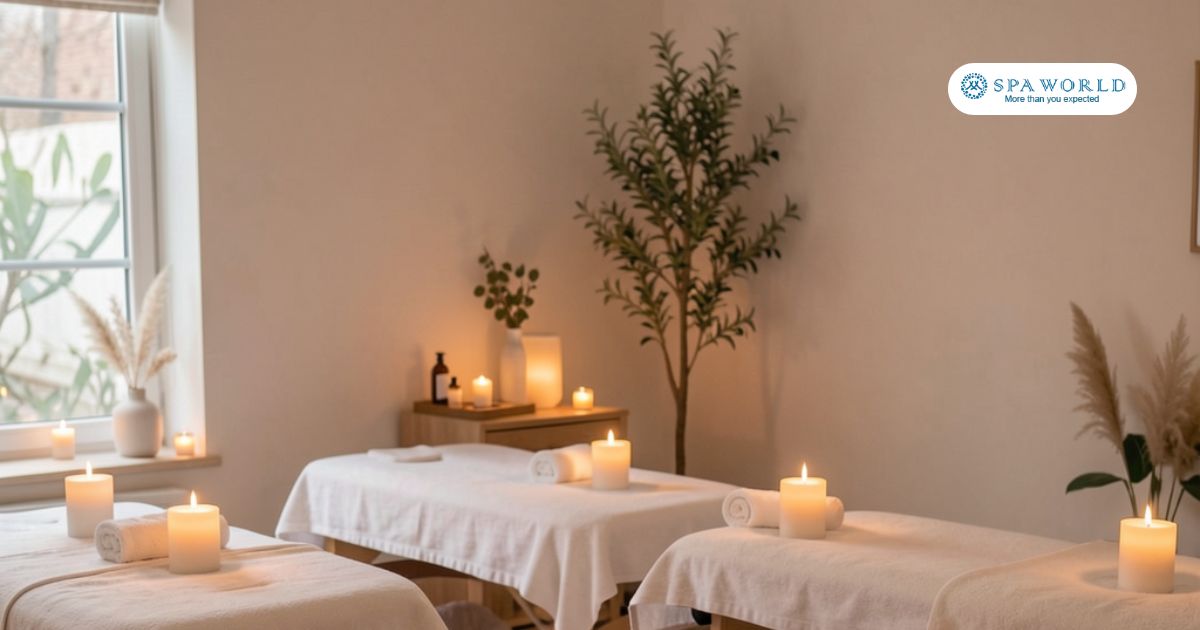
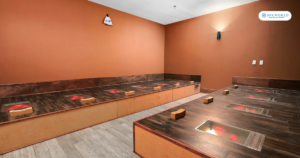
Spa World Houston offers authentic Korean-style reflexology, known for its effectiveness and calming atmosphere. Expect:
- Heated massage beds for full-body alignment
- Pressure-point therapy on feet, hands, and calves
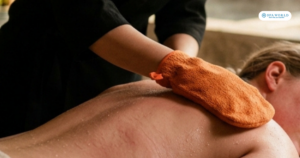
- Warm herbal towel wraps to enhance blood flow
Pair your session with access to our saunas or therapeutic rooms for a full-body reset.
Reflexology vs Pedicure: When to Choose What
| Situation | Reflexology | Pedicure |
| You’re in pain | ✅ | ❌ |
| You want long-lasting relief | ✅ | ❌ |
| You want pampering & polish | ❌ | ✅ |
| You want internal body balance | ✅ | ❌ |
| You’re on your feet all day | ✅ | ❌ |
Alternate both monthly. Use reflexology for recovery and a pedicure for maintenance.
Reflexology is included in service discounts. This is the month to try it!
Related: Reflexology vs Shiatsu Massage
FAQs
1. What’s the difference between reflexology and a foot massage?
Reflexology applies strategic pressure to nerve zones connected to internal systems; a foot massage just relaxes muscles.
2. Does reflexology hurt?
You may feel firm pressure, but it shouldn’t hurt. Discomfort usually fades and signals areas needing attention.
3. How long is a session?
Most sessions last 30 to 60 minutes, though benefits can be felt in as little as 20.
4. Can I pair reflexology with other spa services?
Absolutely! Reflexology pairs well with sauna therapy, massages, and even body scrubs.
5. How often should I get reflexology?
If you’re commuting or standing daily, every 2-4 weeks is ideal for ongoing relief.
6. Is reflexology covered by HSA/FSA?
Check with your provider, some plans cover it when prescribed for chronic pain or stress.