
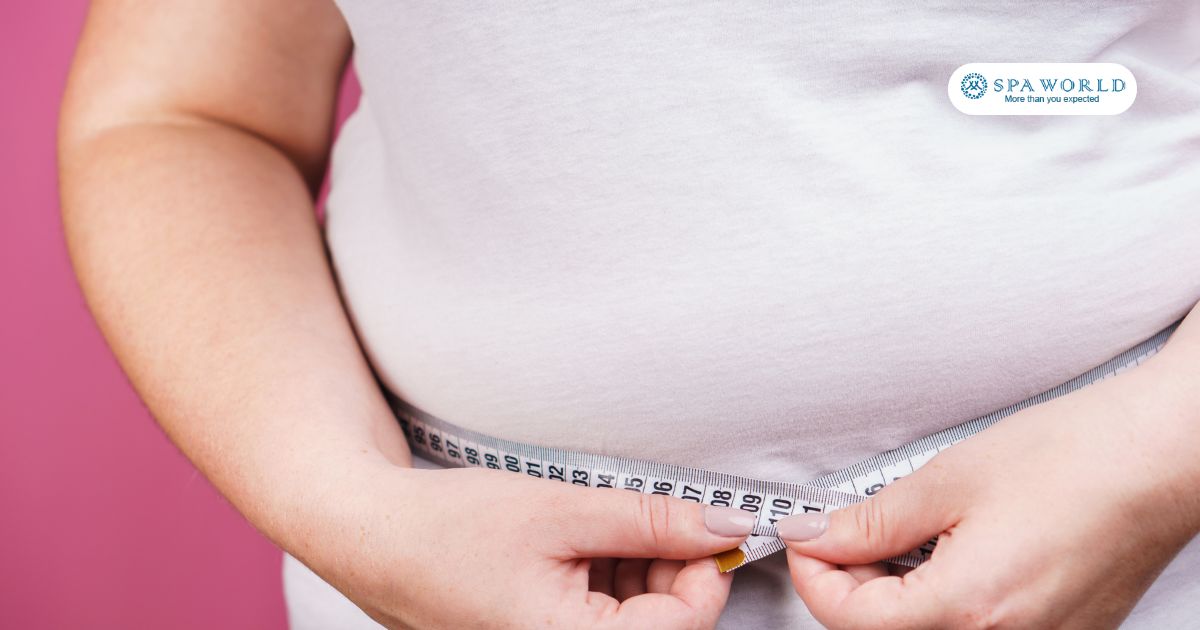
Step on the scale before a sauna session. Write down the number. Sit in the sauna for 30 minutes, sweating buckets. Step back on the scale. Holy crap, you’re three pounds lighter!
This is where the myth begins.
You see those numbers drop, and your brain immediately goes, “Sauna = weight loss.” Fitness influencers post about “sauna detoxes” for dropping weight. Your gym buddy swears by sauna sessions for cutting before a competition. The internet is full of claims about how saunas melt fat and boost metabolism.
Some of this is true. Most of it isn’t. And the difference between what’s real and what’s wishful thinking matters if you’re trying to actually lose weight rather than just feeling like you’re doing something productive.
Let’s talk about what really happens in a sauna and cut through the nonsense.
The Weight You Lose Is Water (Sorry)
Remember those three pounds you “lost” after your sauna session? That’s water weight. All of it. You sweated it out, and the scale registered it as weight loss because technically, you do weigh less.
But here’s the thing about water weight: it comes right back as soon as you drink fluids again. Which you absolutely should do, because dehydration is not a weight loss strategy. It’s dangerous.
Your body is roughly 60% water. When you sit in a hot sauna, you sweat to cool yourself down. That sweat is water leaving your body. The scale shows a lower number because water has weight, but you haven’t actually lost any fat tissue.
Think of it like this: if you put a wet sponge on a scale, then dried it out and weighed it again, the scale would show less. But the sponge itself hasn’t changed; it’s the same sponge, just with less water in it. That’s basically what’s happening to your body.
Athletes sometimes use saunas to make weight for competitions. Wrestlers, MMA fighters, and boxers will sit in saunas to drop a few pounds of water weight before weigh-ins. Then they immediately rehydrate afterward. They’re not losing fat. They’re temporarily manipulating their water weight for a specific purpose.
If your goal is actual fat loss, water weight means nothing. It’s a distraction.
What Actually Burns Fat (The Unsexy Truth)

Source: restore.com
Fat loss happens when you burn more calories than you consume over time. That’s it. That’s the whole formula. There’s no shortcut, no hack, no secret that changes this basic equation.
Your body stores excess energy as fat. When you need more energy than you’re taking in through food, your body breaks down that stored fat to use as fuel. This is called being in a caloric deficit, and it’s the only way to lose fat.
Exercise burns calories. Strength training builds muscle, which increases your resting metabolic rate. Eating slightly less than you burn creates that deficit. These things work because they directly affect the calorie equation.
Sitting in a sauna doesn’t. At least not in any meaningful way.
Yes, your heart rate goes up a bit in the sauna. Yes, your body works to cool itself down, which requires some energy. But the caloric burn is minimal, maybe 100-150 calories per session at most, and that’s being generous. For comparison, a 30-minute walk burns roughly the same amount but also builds cardiovascular fitness and doesn’t risk dehydration.
The Metabolism Claims Don’t Hold Up
You’ll see claims that saunas “boost your metabolism” or “increase your metabolic rate.” These claims aren’t completely made up; there’s a tiny kernel of truth that gets blown way out of proportion.
Heat stress does cause some metabolic changes. Your heart rate increases. Your body temperature rises. These responses require energy. So technically, yes, there’s a slight increase in metabolic activity.
But the effect is temporary and small. Like, really small. We’re talking about such a minor calorie burn that it’s basically irrelevant for weight loss purposes. You’d get a bigger metabolic boost from drinking a cup of green tea or walking up a flight of stairs.
Some research suggests regular sauna use might have long-term effects on cardiovascular health that could indirectly support weight management. But that’s very different from saying saunas directly cause fat loss. The connection is so indirect and dependent on so many other factors that claiming “saunas boost metabolism for weight loss” is misleading at best.
Detox Claims Are Mostly Marketing
The word “detox” gets thrown around constantly in wellness spaces, and saunas are no exception. “Sweat out the toxins!” “Detox your body!” “Cleanse through heat!”
Your liver and kidneys detox your body. That’s literally their job, and they’re really good at it. You don’t need to “help” them by sweating in a sauna.
Yes, you do eliminate some substances through sweat; trace amounts of heavy metals, BPA, and other compounds have been found in sweat samples. But the amounts are so tiny that it’s not a meaningful detoxification method. You’d eliminate more toxins by just… peeing. Which your kidneys are already making you do regularly without any special intervention.
The “detox” feeling people report after saunas is probably more about relaxation and the psychological effect of doing something that feels healthy. Which is fine! Feeling good has value. But it’s not the same as actually eliminating significant amounts of toxins from your body.
What Saunas Actually Do Well
Okay, so saunas don’t directly cause fat loss. Does that mean they’re useless? Not at all. They have legitimate benefits, just not the ones being hyped for weight loss.
Cardiovascular conditioning is real. Regular sauna use has been linked to improved heart health in some studies. The heat stress mimics some of the effects of mild cardiovascular exercise. This doesn’t mean it replaces actual cardio, but it might provide some complementary benefits.
Muscle recovery and pain relief happen. Heat increases blood flow, which can help with muscle soreness and recovery after workouts. If using a sauna helps you recover faster and get back to the gym sooner, that indirectly supports your fitness goals.
Stress reduction is huge. Chronic stress messes with your hormones, including cortisol, which can affect weight management. If sauna sessions help you manage stress better, that could indirectly support your overall health and wellness goals, including weight maintenance.
Sleep quality might improve. Some people find that sauna sessions in the evening help them sleep better. Better sleep supports healthy hormone regulation, which affects appetite and metabolism. Again, this is indirect, but it’s real.
It feels good. This shouldn’t be dismissed. Doing things that make you feel good and help you relax is valuable for mental health and sustainability of healthy habits.
The Dangerous Side of the Myth
Here’s where this gets serious: some people use saunas as a substitute for actual weight loss strategies. Or worse, they combine sauna use with dangerous practices like extreme caloric restriction or dehydration in an attempt to see faster results on the scale.
Dehydration is not a joke. Sitting in a sauna until you’re dizzy and lightheaded because you’re chasing a number on the scale is genuinely dangerous. You can damage your kidneys, pass out, develop heat exhaustion, or worse.
Using sauna-induced water weight loss as motivation only sets you up for disappointment. You’ll see the scale drop, feel accomplished, then feel like you “failed” when the weight comes back after you rehydrate. This creates a frustrating cycle that has nothing to do with actual fat loss progress.
If you’re restricting food AND spending excessive time in saunas AND exercising hard, you’re not being dedicated; you’re potentially developing disordered eating and exercise patterns. That’s a mental health issue, not a fitness strategy.
If You Want to Use Saunas While Losing Weight
Look, you can absolutely use saunas as part of a healthy lifestyle that includes weight loss goals. Just be realistic about what they’re contributing.
Use them for recovery after workouts. Use them for stress management. Use them because they feel good and help you relax. These are all legitimate reasons that can support your overall wellness journey.
Just don’t use them as a weight loss tool and don’t let the scale numbers after a sauna session fool you into thinking you’ve made fat loss progress.
Track your weight at consistent times under consistent conditions. First thing in the morning after using the bathroom, before eating or drinking, not right after a sauna or workout. This gives you more accurate data about actual body composition changes over time.
Focus on the metrics that actually matter: how you feel, how your clothes fit, your energy levels, your fitness performance improvements, your measurements. The scale is just one data point and often not even the most useful one.
The Bottom Line
Saunas don’t burn fat in any meaningful way. They don’t significantly boost your metabolism. They don’t detox your body. The weight you lose in a sauna is water, and it comes right back.
But they do have real benefits for cardiovascular health, recovery, stress management, and overall wellbeing. These things can support a healthy lifestyle, which includes maintaining a healthy weight.
If you enjoy saunas, keep using them. Just be honest about why you’re using them and what they’re actually doing for you. If you’re trying to lose weight, focus on the unsexy but effective stuff: eating in a slight caloric deficit, moving your body regularly, sleeping enough, managing stress, and being patient with the process.
Use the sauna because it feels good and helps you recover. Not because you think it’s melting away fat. Your body and your long-term results will thank you for the honesty.
If you’re recovering from workouts, managing stress, or building a healthier routine, Spa World Houston offers sauna experiences designed for total wellness, not quick gimmicks.