Cold therapy is having a serious moment right now. Athletes swear by it. Wellness influencers post videos of themselves screaming in ice baths. Your gym might have just added a cold plunge tub. Everyone’s suddenly talking about exposing themselves to freezing temperatures on purpose.
But here’s where it gets confusing: there are actually different types of cold therapy, and they’re not all the same thing. You’ve got cryotherapy chambers, cold plunge pools, and arctic rooms (sometimes called ice rooms). They all involve cold, but the experience and benefits can be pretty different.
So which one should you try? Let’s break it down.
What Even Is Cryotherapy?
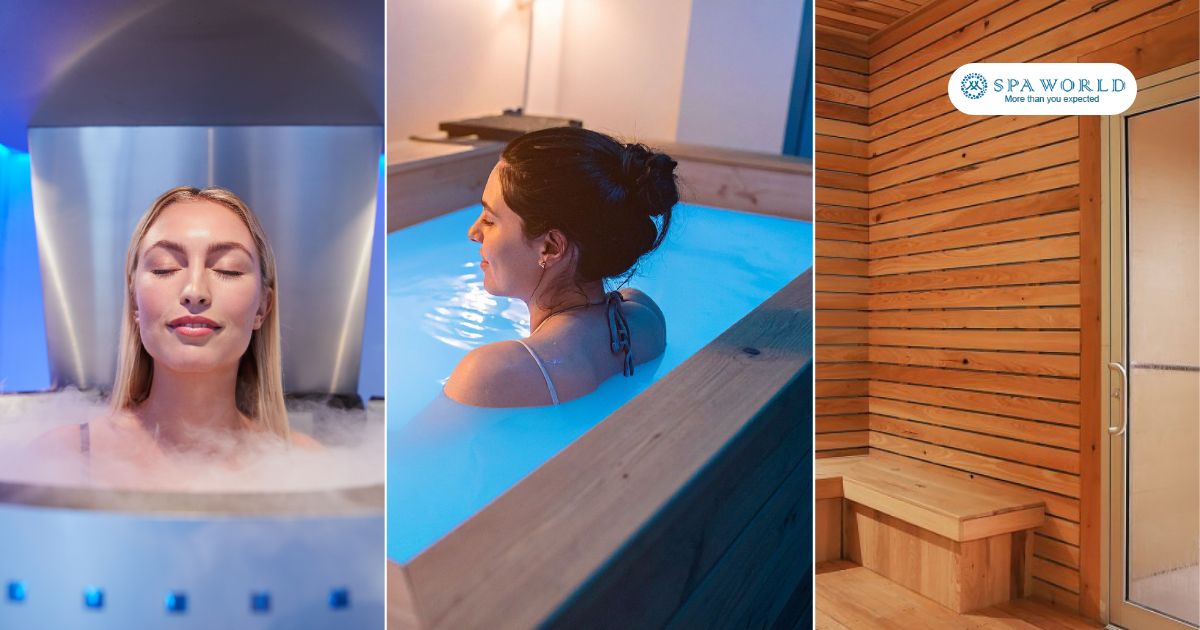
Cryotherapy is the fancy one that sounds the most high-tech. You step into this futuristic-looking chamber that looks like something out of a sci-fi movie. The chamber uses nitrogen vapor or refrigerated cold air to drop the temperature to somewhere between -200°F and -300°F. Yes, you read that right. We’re talking insanely cold.
The session is short, though usually just 2-3 minutes. You’re wearing minimal clothing (usually underwear or a bathing suit), plus socks, gloves, and sometimes a headband to protect your extremities. Your body stays exposed to this extreme cold, but only for a brief time.
What happens during those few minutes? Your body goes into survival mode. Blood rushes away from your extremities toward your core to protect your vital organs. This triggers a bunch of physiological responses that proponents say help with inflammation, pain relief, and recovery.
People use cryotherapy for all sorts of reasons. Some athletes do it after intense workouts to speed up recovery. Others use it for chronic pain conditions like arthritis. Some people just like how energized they feel afterward.
The downside? It’s intense. Some people find it uncomfortable or even scary. It’s also typically the most expensive option, often running $40-75 per session. And you need multiple sessions to really see benefits; it’s not a one-and-done situation.
Related: Sauna vs Cold Plunge
Cold Plunge: The Original Cold Therapy
Cold plunge pools (or ice baths) are way more straightforward. It’s literally just a tub or small pool filled with cold water, usually kept between 45°F and 55°F. Some facilities add actual ice to make it colder.
You get in, you sit there, you suffer for a while, you get out. Simple concept, but definitely not easy.
Sessions are longer than cryotherapy, typically 5-15 minutes, depending on your tolerance and the water temperature. You’re fully submerged up to your neck, so your whole body is in the cold water at once.
The cold plunge creates a different kind of cold exposure than cryotherapy. Because you’re in water, the cold penetrates differently. Water conducts heat away from your body much faster than air does, so even though the temperature isn’t as extreme as cryotherapy, it can feel just as intense.
Cold plunges have been around forever. Scandinavian countries have been doing this for centuries. It’s having a renaissance now because people like Wim Hof (the “Iceman”) have popularized it, and research is catching up to what people have known instinctively for ages.
Benefits people report include reduced muscle soreness, improved circulation, better mental clarity, and even mood improvements. There’s something about forcing yourself to sit in freezing water that apparently builds mental resilience. Who knew?
The learning curve is real though. Your first cold plunge is going to be rough. Most people can only handle 30 seconds to a minute at first. You build up tolerance over time, but those first few experiences can be genuinely shocking to your system.
Arctic Rooms: The Middle Ground
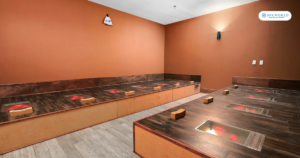
Arctic rooms (or ice rooms) are less well-known but growing in popularity. Think of it as a walk-in freezer, but designed for people. The temperature is usually kept between 0°F and 15°F, cold enough to be challenging, but nowhere near as extreme as cryotherapy.
You walk into the room fully clothed (or in workout gear), and you can stay anywhere from 5-15 minutes or even longer. Some arctic rooms have benches or even exercise equipment so you can move around while you’re in there.
The experience is gentler than the other two options. You’re not partially naked and freezing like in cryotherapy, and you’re not forcing yourself to sit still in ice water like a cold plunge. You can walk around, do light exercises, or just hang out in the cold.
Arctic rooms work through prolonged cold exposure rather than extreme shock. Your body has more time to adapt to the temperature, which some people find more tolerable. It’s less about that intense “fight or flight” response and more about gradual cold adaptation.
These rooms are often combined with saunas in the same facility. You do hot-cold contrast therapy, spend time in the sauna, then immediately go to the arctic room, and repeat. This contrast is supposed to really boost circulation and provide its own set of benefits beyond just cold or heat alone.
The challenge with arctic rooms is that they’re harder to find. Not every wellness facility has one, so access can be limited depending on where you live.
How They Actually Compare
Source: https://michaelkummer.com/ice-bath-vs-cryotherapy/
Let’s get practical about the differences because this is probably what you actually care about.
Temperature: Cryotherapy is by far the coldest but briefest. Cold plunge is moderately cold, but you’re in it longer. Arctic room is the least cold, but you can stay the longest.
What you wear: Cryotherapy requires minimal clothing with protection for extremities. Cold plunge is usually just a bathing suit. In the Arctic room, you can wear normal workout clothes or whatever’s comfortable.
Time commitment: Cryotherapy is 2-3 minutes. Cold plunge is 5-15 minutes. Arctic room can be 10-20 minutes or more.
Cost: This varies by location, but generally cryotherapy is most expensive ($40-75 per session), cold plunge is mid-range ($25-50), and arctic room access is often included in spa packages or memberships.
Intensity of experience: Cryotherapy feels the most intense and futuristic. Cold plunge is probably the most mentally challenging because you have to force yourself to stay in despite every instinct telling you to get out. Arctic room is the most manageable for beginners.
Social aspect: Cryotherapy is usually solo; you’re in a chamber by yourself. Cold plunge can be solo or social depending on the facility. Arctic rooms are often big enough for multiple people, making them more of a group activity.
What the Science Actually Says
All three types of cold therapy have research backing them up, but it’s worth noting that some claims are better supported than others.
Cold exposure in general has been shown to reduce inflammation and muscle soreness after exercise. This is pretty well established at this point. Athletes have been using ice baths for decades for good reason.
The mental health benefits are interesting. Cold exposure triggers a release of endorphins and norepinephrine, which can improve mood and increase alertness. Some studies suggest it might help with depression and anxiety, though more research is needed.
For pain management, especially chronic pain conditions, cold therapy shows promise. The theory is that the extreme cold temporarily interrupts pain signals and reduces inflammation in affected areas.
The metabolism claims you might have heard? There’s some evidence that regular cold exposure can increase brown fat activity and potentially boost metabolism slightly. But don’t expect cold therapy to replace actual exercise and nutrition for weight management.
Here’s what’s less clear: a lot of the more dramatic claims about immune system boosting, anti-aging effects, and disease prevention need more rigorous research. The science isn’t necessarily wrong, it’s just early and not conclusive yet.
Which One Should You Actually Try?
If you’re an athlete or someone who works out intensely, cryotherapy might be worth trying for recovery. The quick session fits easily into a busy schedule, and many athletes swear by the recovery benefits.
If you’re interested in building mental toughness and don’t mind discomfort, cold plunge is your move. There’s something powerful about training your mind to stay calm in uncomfortable situations. Plus it’s often more affordable and accessible than cryotherapy.
If you’re new to cold therapy or have concerns about extreme cold, start with an arctic room. It’s the gentlest introduction and gives you time to see how your body responds without the shock factor.
If you want the circulation benefits and like the idea of contrast therapy, find a facility with both sauna and arctic room access. The hot-cold combination is a whole experience in itself.
Before You Jump In (Literally)
A few important safety notes because cold therapy isn’t for everyone.
Talk to your doctor first if you have any heart conditions, high blood pressure, or circulatory issues. Cold exposure puts stress on your cardiovascular system, and while that can be beneficial for healthy people, it can be dangerous if you have certain conditions.
Pregnant women should avoid extreme cold therapy. Same goes for people with cold urticaria (basically an allergy to cold) or Raynaud’s disease.
Start slow regardless of which method you choose. Don’t try to be a hero on your first session. Build up your tolerance gradually.
Never do cold therapy alone if you can avoid it, especially cold plunges. Having someone around is a good safety practice.
Listen to your body. If something feels wrong beyond normal discomfort, get out immediately.
The Real Answer
Which cold therapy is right for you? Honestly, the best one is the one you’ll actually do consistently.
Cryotherapy is great if you want a quick, intense session and don’t mind the price. Cold plunge is ideal if you want a more traditional approach and like a challenge. Arctic room works if you want something more gradual and social.
You might even find that you like combining them or switching between them depending on your needs and goals. There’s no rule that says you have to pick just one.
The good news is that cold therapy in any form is becoming more accessible. More spas and wellness centers in Houston are adding these options. You’ve got choices now.
Try one. See how it feels. If it works for you, great. If not, try a different approach. Your body will tell you what it needs.