
You probably know the basic idea: exfoliation removes dead skin cells. Maybe you’ve got a scrub in your shower that you use sometimes. Or one of those spinning brush things. Perhaps you’ve seen ads for chemical exfoliants and wondered what that’s even about.
Most people think they understand exfoliation, but there’s actually a lot more to it than “rub this grainy stuff on your face.” The difference between doing it right and doing it wrong can be the difference between glowing skin and a damaged skin barrier that makes everything worse.
Let’s dive into all the stuff about exfoliation that nobody really explains.
Your Skin Is Constantly Shedding (Even When You Don’t Notice)
Here’s something wild: your skin replaces itself roughly every 28 days. Every single day, you’re shedding between 30,000 and 40,000 dead skin cells. Per minute. That’s around 50 million cells per day just falling off your body.
Most of this happens invisibly. You’re not walking around in a cloud of dead skin like Pig-Pen from Peanuts. Your body has a natural process for shedding these cells, and under ideal circumstances, it happens smoothly without you needing to intervene.
But ideal circumstances are rare. As you age, this natural shedding process slows down. Dead cells hang around longer, building up on the surface and making your skin look dull. Add in factors like dry air, sun damage, certain skin conditions, or just living in a place like Houston with humidity that messes with everything, and suddenly, your skin needs help with the shedding process.
That’s where exfoliation comes in. You’re not doing something unnatural. You’re just assisting a process that’s already happening, but maybe not happening efficiently enough anymore.
Physical vs. Chemical: They’re Completely Different

Source: healthline.com
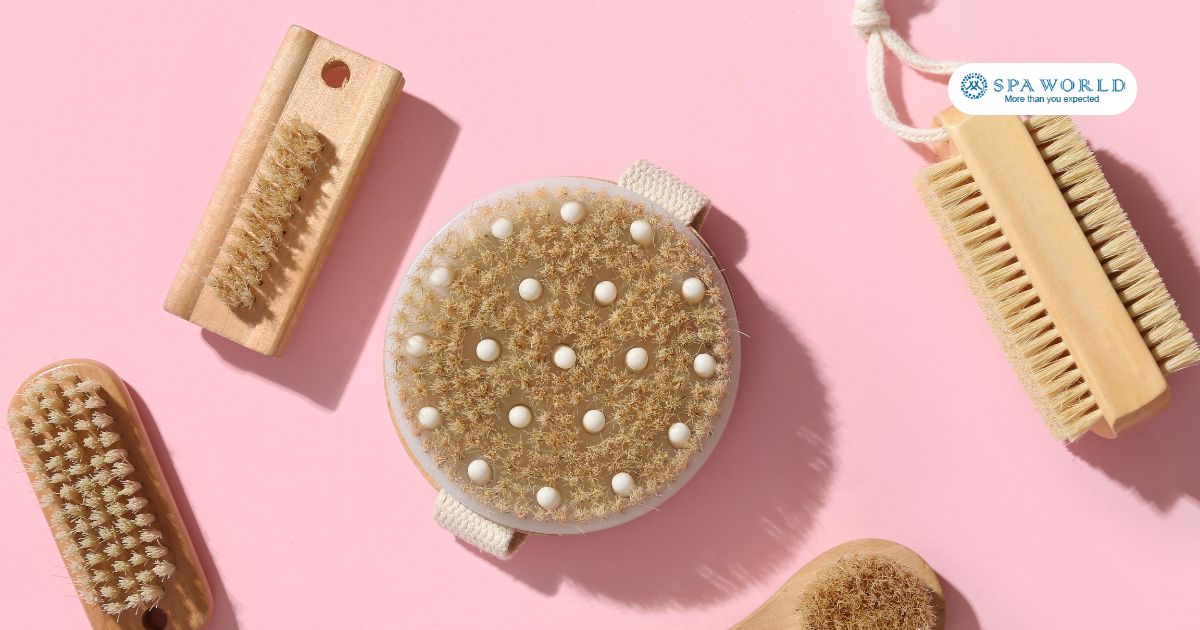
When most people think “exfoliation,” they picture those scrubs with little beads or crushed walnut shells. That’s physical exfoliation, literally scrubbing dead cells off with something abrasive.
Chemical exfoliation sounds scarier but is often gentler. It uses acids or enzymes to dissolve the bonds holding dead skin cells together, so they just… let go and wash away. No scrubbing required.
Neither is better across the board. They work differently and suit different needs.
Physical exfoliation gives you that immediate smooth feeling. You can feel the texture change under your fingers. It’s satisfying in a tactile way. The downside? It’s really easy to overdo it. Scrubbing too hard or too often can create micro-tears in your skin, damage your moisture barrier, and cause irritation that looks like redness or sensitivity.
Chemical exfoliation is more of a slow burn. You don’t get that instant gratification of feeling smoother immediately. But it can penetrate deeper and work more evenly across your skin surface. The acids break down the “glue” between cells at a molecular level, which is harder to mess up than manual scrubbing. You can still overdo chemical exfoliation, but it’s usually harder to accidentally damage your skin this way.
The Different Types of Chemical Exfoliants Actually Do Different Things
If you’ve looked into chemical exfoliation at all, you’ve seen these acronyms: AHA, BHA, PHA. They’re not interchangeable, and knowing the difference matters.
AHAs (alpha hydroxy acids) include glycolic acid and lactic acid. These are water-soluble, which means they work on the skin’s surface. They’re great for dry or sun-damaged skin, fine lines, uneven texture, and dullness. Glycolic acid is the strongest and penetrates deepest. Lactic acid is gentler and also has some moisturizing properties.
BHAs (beta hydroxy acids) are oil-soluble, which means they can get inside your pores. The main one is salicylic acid. If you have oily skin, acne, blackheads, or large pores, BHA is usually the better choice. It works on the surface but also deep in the pore, breaking up the gunk that causes breakouts.
PHAs (polyhydroxy acids) are the gentle giants. They’re larger molecules, so they don’t penetrate as deeply, which makes them less irritating. If you have sensitive skin or rosacea, or if you’re new to chemical exfoliation, PHAs like gluconolactone or lactobionic acid are a good starting point.
Then there are enzymes, usually derived from fruits like papaya or pumpkin. These literally digest dead skin cells. They’re generally very gentle and good for sensitive skin, though they’re not as powerful as acids for serious texture issues.
You’re Probably Exfoliating Too Much
This is the mistake almost everyone makes. More is not better with exfoliation. In fact, more is usually worse.
Your skin has a protective barrier made of lipids and proteins. This barrier keeps moisture in and irritants out. When you over-exfoliate, you damage this barrier. Your skin becomes red, sensitive, dry, and ironically more prone to breakouts because it’s compromised and can’t protect itself properly.
The tricky part is that over-exfoliated skin often looks shiny, which people mistake for a healthy glow. But it’s actually just raw, irritated skin reflecting light differently. You might also notice your skin gets oily faster, that’s because your moisture barrier is damaged, so your skin overproduces oil to compensate.
For most people, exfoliating 2-3 times per week is plenty. Some people with very sensitive skin might only need once a week. Very few people should be exfoliating daily, regardless of what product marketing tells you.
Pay attention to how your skin feels, not just how smooth it looks immediately after exfoliating. If you’re constantly red, tight, flaky despite moisturizing, or breaking out more than usual, you’re probably overdoing it.
Body Exfoliation Is Different from Face Exfoliation
The skin on your face is much thinner and more sensitive than the skin on your body. What works great for your legs or back might be way too harsh for your face.
Body skin can generally handle more aggressive exfoliation. Those rough scrubs with big chunky bits? Fine for your body, probably too much for your face. You can press harder, scrub more vigorously, and use stronger concentrations of acids on your body without the same risk of damage.
This is why body scrubs feel so different from facial exfoliants. They’re formulated for tougher skin that can take more abuse.
Areas like elbows, knees, and feet have even thicker skin and can benefit from more intense exfoliation. But areas like your chest, neck, and inner arms are more delicate and need a gentler approach, closer to what you’d use on your face.
The Order Matters More Than You Think
If you’re using multiple exfoliating products or combining exfoliation with other active ingredients, the order you apply them affects how well they work and how likely you are to irritate your skin.
Generally, you cleanse first, then exfoliate, then apply any serums or treatments, then moisturize. This sequence makes sense because you want to clear away debris before using your active ingredients, and you want to seal everything in with moisturizer at the end.
But here’s where people mess up: they exfoliate and then immediately use other strong actives like retinol or vitamin C. This is like turning the volume up to 11 on everything. Your skin might not be able to handle all that intensity at once.
If you’re using prescription retinoids or other strong treatments, you might need to exfoliate on different days rather than the same routine. Your skin can only take so much at once.
Not All Scrubs Are Created Equal
If you prefer physical exfoliation, the type of scrubbing particles matters a lot.
Avoid anything with irregular, sharp edges. This includes crushed walnut shells, apricot kernels, or pumice. These create micro-tears in your skin that you can’t see but that cause damage over time and make your skin more vulnerable to irritation and infection.
Look for smooth, round particles instead. Jojoba beads, sugar, salt, or synthetic microbeads (though these are being phased out for environmental reasons) are all gentler because they don’t have sharp edges.
The size of the particles matters too. Fine particles are gentler than large chunky ones. If you can see and feel big chunks in your scrub, it’s probably more aggressive than your facial skin needs.
And texture of the base matters. A scrub in a creamy, moisturizing base is much gentler than one in a gel or foam base. The cream provides cushioning and lubrication that reduces friction.
You Might Not Need to Exfoliate at All
Plot twist: not everyone needs to exfoliate regularly. If your skin is already turning over efficiently and you’re not dealing with texture issues, dullness, or clogged pores, aggressive exfoliation might cause problems you didn’t have before.
People with very dry skin, eczema, rosacea, or active breakouts should be really careful with exfoliation. Sometimes the best thing to do is back off and let your skin barrier heal before introducing exfoliation again.
If your skin feels great without exfoliating, don’t force it because the internet says you should. Skincare isn’t one-size-fits-all, and sometimes less really is more.
Professional Exfoliation Is a Whole Different Level
What you do at home is maintenance. What you can get at a spa or dermatologist’s office is different territory entirely.
Professional chemical peels use much stronger concentrations of acids than anything you can buy over the counter. Microdermabrasion uses equipment that exfoliates more deeply than any scrub. Dermaplaning literally shaves off the top layer of dead skin and peach fuzz.
These treatments can deliver dramatic results, but they also require downtime and proper aftercare. Your skin might peel, get red, or be sensitive to sun for several days after. This is normal and expected for professional treatments, but it’s also why you can’t do them as frequently as at-home exfoliation.
If you’re dealing with serious texture issues, hyperpigmentation, acne scarring, or significant sun damage, professional treatments might be worth considering. But they’re not a replacement for good daily skincare; they’re a boost that you maintain with your home routine.
Sun Protection Is Non-Negotiable After Exfoliating
This deserves its own section because it’s so important. When you exfoliate, you’re removing the outermost layer of dead cells that provides some protection from the sun. Your fresh new skin underneath is more vulnerable to UV damage.
Using exfoliating acids, especially AHAs, makes your skin photosensitive for several days afterward. That means you burn more easily and are more likely to develop dark spots or other sun damage.
If you’re going to exfoliate regularly, you must wear sunscreen daily. Not just on sunny days. Not just when you’ll be outside for hours. Every single day, even in Houston’s winter.
This is especially true for chemical exfoliants. Many dermatologists recommend using AHAs primarily at night and always pairing them with religious sunscreen use during the day.
Reading Your Skin Beats Following Rules
All the guidelines about frequency, type, and method are just starting points. Your skin will tell you what’s working and what isn’t, if you pay attention.
Good signs: your skin looks brighter, feels smoother, your products absorb better, and your makeup goes on more evenly. Any breakouts clear up faster. Your skin looks healthier overall.
Bad signs: persistent redness, increased sensitivity, burning or stinging when you apply products that didn’t bother you before, more breakouts, flaking or peeling that doesn’t resolve with moisturizer, tight or uncomfortable feeling, increased oiliness.
If you’re seeing bad signs, pull back. Reduce frequency, switch to a gentler method, or take a complete break from exfoliation until your skin calms down. Your skin barrier needs time to repair itself.
The goal isn’t to exfoliate as much as possible. It’s to find the minimum amount of exfoliation that keeps your skin looking and feeling its best without causing irritation or damage. That sweet spot is different for everyone, and it might change seasonally or as you age.
Listen to your skin. It’s smarter than any blog post or product label.