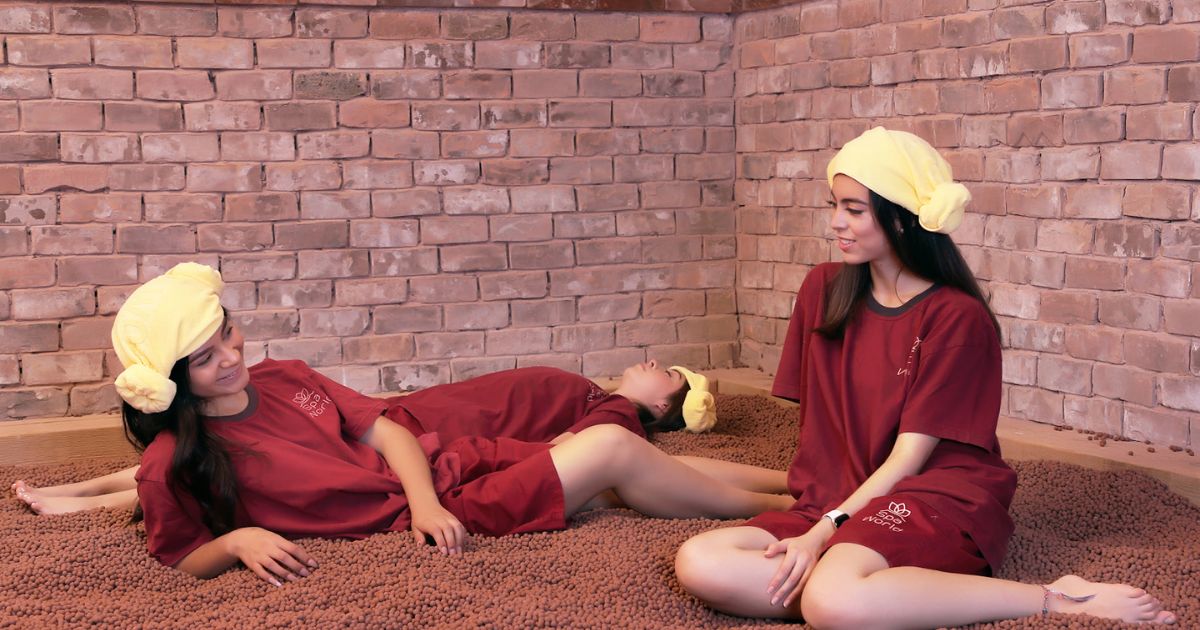
Yellow ocher clay therapy is a traditional Korean wellness practice that uses mineral-rich clay heated in therapeutic rooms to detoxify the body, improve circulation, soothe skin, and promote deep relaxation. Unlike modern spa trends, this method combines ancient earth minerals with heat therapy to support both physical recovery and mental calm.
Long before infrared saunas and wellness apps existed, Korean bathhouses relied on something far simpler, earth itself.
Yellow ocher clay, formed naturally over thousands of years, was believed to carry grounding energy and healing minerals. Inside traditional jjimjilbangs, people would rest quietly on warm clay floors, allowing heat and minerals to work slowly through the body.
Today, that same ritual continues, offering modern visitors something rare: stillness rooted in tradition.
What Is Yellow Ocher Clay?
Yellow ocher clay (known in Korea as Hwangto) is a natural mineral-rich earth composed primarily of:
- Iron oxide
- Silica
- Calcium
- Magnesium
- Trace minerals
Its golden-yellow color comes from iron content, which is believed to contribute to warming and circulation-supporting properties.
Historically, Koreans used yellow ocher clay for:
- Home construction (natural insulation)
- Traditional medicine practices
- Heated wellness rooms in bathhouses
Its ability to retain heat evenly made it ideal for therapeutic environments.
The History of Clay Therapy in Korean Culture
Clay therapy dates back centuries in Korean wellness traditions.
In traditional villages:
- Floors were built with clay and heated using ondol, Korea’s ancient underfloor heating system.
- Families slept and rested on warmed clay surfaces during cold seasons.
- Heat combined with natural minerals was believed to restore balance and vitality.
As jjimjilbang culture evolved, specialized clay rooms became a cornerstone of Korean spa experiences, blending architecture, nature, and healing philosophy.
Unlike Western spas focused purely on luxury, Korean bathhouses emphasized community wellness and preventative care.
How Clay Therapy Works
Yellow ocher clay rooms are gently heated to create a dry, mineral-rich environment.
The process:
- Heat warms the body gradually.
- Pores open and begin releasing sweat.
- Minerals and infrared heat penetrate skin layers.
- Muscles relax and circulation improves.
The experience is slower and milder than high-temperature saunas, making it accessible for many guests.
Benefits of Yellow Ocher Clay Therapy
1. Deep Detoxification
Heat encourages sweating, helping remove impurities trapped in pores.
Related: Sauna for Detox
2. Improved Circulation
Warm clay promotes blood flow, delivering oxygen to muscles and skin.
3. Skin Rejuvenation
Mineral exposure combined with sweating may help:
- Smooth skin texture
- Reduce dullness
- Support natural glow
4. Muscle Relaxation
Gentle radiant heat relieves stiffness without overwhelming the body.
5. Nervous System Calm
The grounding environment encourages parasympathetic activation, your body’s relaxation mode.
Why Clay Therapy Feels Different from a Sauna
Many first-time visitors expect intense heat, but clay therapy is more subtle.
| Feature | Clay Room | Traditional Sauna |
| Heat Style | Radiant, gentle | High temperature |
| Humidity | Dry | Dry or steam |
| Experience | Grounding & calm | Intense sweating |
| Best For | Relaxation & skin | Detox & endurance |
Clay therapy focuses less on endurance and more on sustained comfort.
Who Benefits Most from Clay Therapy?
Clay rooms are especially helpful for:
- Stress and burnout recovery
- Sensitive sauna users
- Skin-focused wellness routines
- Beginners to heat therapy
- People seeking calm, meditative relaxation
It’s often the favorite room for guests wanting quiet restoration rather than intense heat exposure.
Why It Works Well in Houston’s Climate
Houston humidity can leave skin feeling congested and heavy. Clay therapy offers a balanced alternative:
- Dry warmth counteracts excess moisture
- Gentle sweating clears pores
- Relaxation reduces heat-related fatigue
Instead of fighting humidity, clay therapy helps the body reset internally.
How to Use Clay Therapy During Your Visit
Try this simple flow:
- Shower and hydrate
- Spend 15–20 minutes in the clay room
- Rest in a lounge area
- Rehydrate
- Repeat if comfortable
Pairing clay therapy with a cold room or massage can enhance overall recovery.
Cultural Meaning: Grounding Through Earth
In Korean wellness philosophy, earth elements symbolize stability and balance.
Resting on clay is meant to:
- Slow mental activity
- Reduce overstimulation
- Reconnect body and environment
It’s less about luxury, more about returning to natural rhythms.
Discover the calming power of clay therapy and explore a spa experience rooted in centuries of Korean tradition.
FAQ
1. Is clay therapy safe for beginners?
Yes. The moderate heat makes it one of the most beginner-friendly spa experiences.
2. How long should I stay inside?
Start with 10–15 minutes and adjust based on comfort.
3. Does clay actually touch your skin?
You rest on heated clay surfaces, allowing radiant warmth rather than direct application.
4. Can clay therapy help skin health?
Many guests notice smoother, brighter skin due to sweating and circulation improvements.
5. Should I hydrate afterward?
Absolutely, hydration is essential after any heat therapy.
6. Can I combine it with sauna sessions?
Yes, alternating rooms creates a balanced wellness experience.