Key Takeaway:
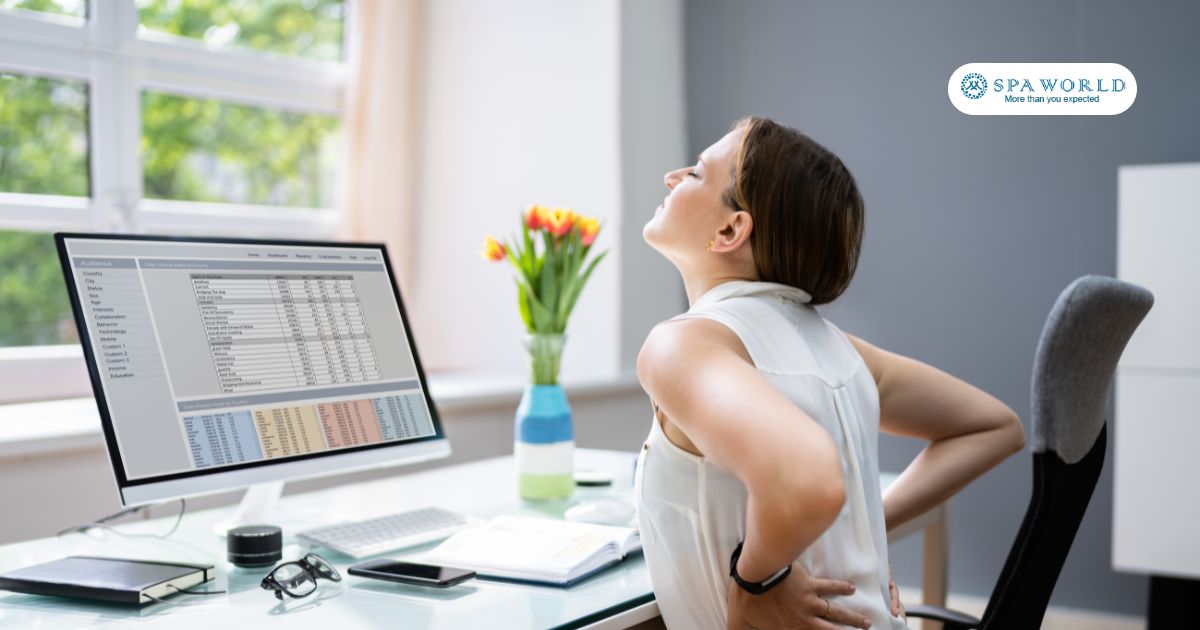
- Sitting for extended periods leads to poor posture, back pain, and muscle tightness.
- Regular massage improves circulation, posture, and overall mobility.
- Frequency should be tailored to your daily sitting hours and stress levels.
- Spa World offers flexible packages and memberships to make massage affordable and consistent.
Extended sitting compresses spinal discs, tightens hip flexors, and decreases circulation. According to Harvard Health, prolonged sedentary behavior is linked to chronic pain, cardiovascular issues, and mental fatigue. This sets the stage for a need to counteract the damage through movement, and therapeutic massage.
How Massage Therapy Helps Desk Workers
Massage works by improving blood flow, loosening muscles, and stimulating the parasympathetic nervous system. It relieves pressure from postural imbalances caused by slumping over desks or screens. Additionally, massage promotes serotonin and dopamine release, which combats mood slumps common in sedentary lifestyles.
Condition-Specific Massage Benefits
1. Lower Back Pain
A 2014 study showed that receiving 30-minute deep tissue massages daily for 10 days helped significantly reduce lower back pain. Although a 2015 review found mixed evidence across 25 trials, major health bodies like the NHS still recommend massage as a supplemental treatment for back pain. For desk workers, this area tends to be the first to tighten and misalign.
2. Neck & Shoulder Tension
A 2020 study suggested that massage offers meaningful short-term relief from neck pain, especially when done consistently. Another study in 2014 found that two or three 60-minute massages per week provided greater benefits than less frequent sessions. Office workers frequently store tension in their upper back, making this one of the most targeted areas during therapy.
3. Hip Flexor Tightness
Sitting contracts the hip flexors, often leading to anterior pelvic tilt and poor posture. Massage can help elongate these muscles, restore balance in the pelvis, and reduce strain on the lower spine. When combined with stretching and core strengthening, it improves overall stability and gait.
4. Circulation Issues
Sitting reduces blood flow to the legs and feet, causing stiffness and even numbness. Regular massage boosts vascular function and lymphatic drainage, helping to reoxygenate muscles and prevent issues like edema or restless legs syndrome. Improved circulation also reduces fatigue during work hours.
5. Stress & Anxiety
Massage lowers cortisol levels and increases serotonin and dopamine, creating a calming physiological response. For professionals glued to screens or under constant deadlines, this chemical shift can reduce burnout symptoms and improve mental resilience. Weekly or biweekly sessions can maintain a healthier emotional baseline.
Best Massage Types for Sedentary Lifestyles
Deep Tissue Massage
What it does?
This massage style focuses on realigning deeper layers of muscle and connective tissue. It’s especially helpful for chronic muscle tension, particularly in areas like the lower back, glutes, neck, and shoulders, hotspots for those who sit all day.
Why it works for desk jobs?
Sitting long hours shortens the hip flexors, compresses the lower back, and tightens the neck. Deep tissue massage uses firm pressure and slow strokes to break down adhesions (knots) and restore length to these muscles, improving posture and pain levels.
Who it’s best for?
Ideal for people experiencing chronic tightness, recurring headaches from neck tension, or low back stiffness. It can be intense, so it’s not always the best choice for beginners.
Swedish Massage
What it does?
A classic full-body massage using light-to-medium pressure, long strokes, kneading, and gentle circular movements to promote overall relaxation.
Why it works for desk jobs?
Sedentary workers often carry hidden tension in their upper back, hips, and even forearms. Swedish massage increases circulation, flushes toxins, and helps relax both the body and mind, making it especially good for combating stress related tightness.
Who it’s best for?
Beginners or anyone sensitive to deeper pressure. It’s also ideal for office workers dealing with stress, insomnia, or general fatigue without intense muscular pain.
Related: Swedish vs Deep tissue Massage
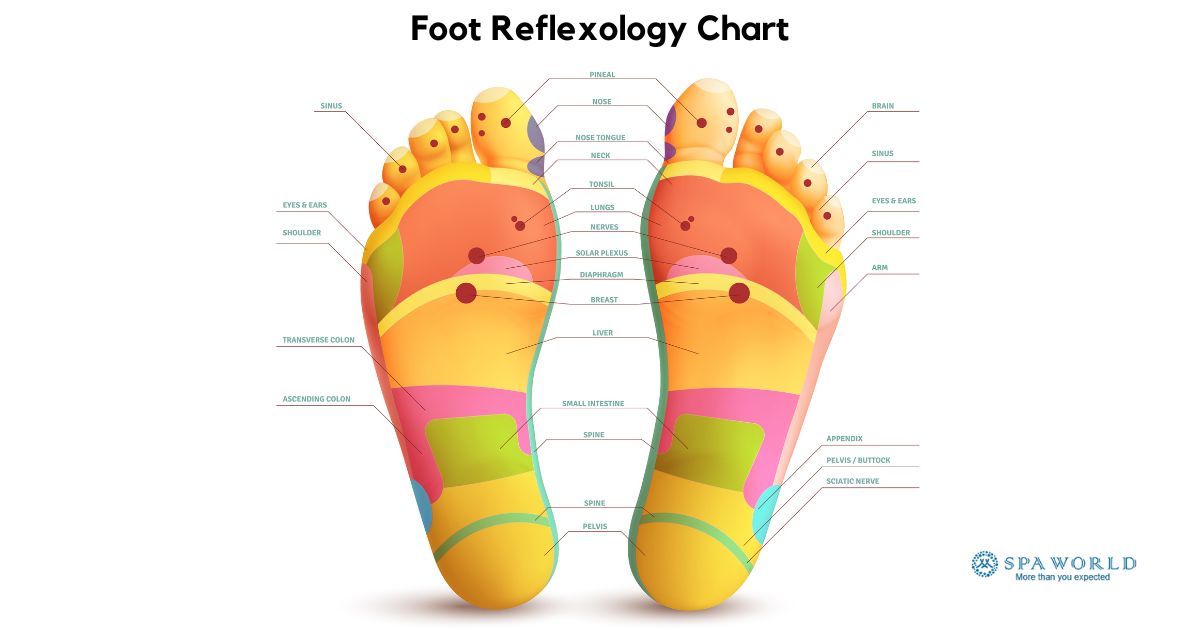
Shiatsu or Reflexology
What it does?
- Shiatsu is a Japanese technique that applies rhythmic pressure to acupressure points along the body’s meridians (energy pathways).
- Reflexology focuses on stimulating reflex points on the hands, feet, and ears that correspond to different organs and systems.
Why it works for desk jobs?
These techniques address energy imbalances caused by stagnation, common among those who sit for long hours. They can also stimulate circulation, digestion, and mental clarity while providing emotional grounding and postural rebalancing.
Who it’s best for?
People looking for a holistic or energetic approach to healing, or those who prefer clothed massages (common in Shiatsu). It’s great for those who want stress relief without deep muscle work.
Don’t Forget the Mental Health Benefits
A sedentary workday isn’t just physically draining, it affects your mood and cognition. According to a 2022 study published in Frontiers in Psychology, regular massage:
- Reduces cortisol (stress hormone)
- Increases oxytocin and dopamine
- Improves sleep quality and mental clarity
This makes a huge difference for remote workers, entrepreneurs, and office professionals who face daily decision fatigue.
How to Make Massage Fit Your Budget
Frequent massage might sound costly, but smart planning makes it sustainable:
- Use Spa World’s Memberships: Gold and Platinum tiers offer significant discounts on services.
- Take Advantage of Promotions: Spa World offers seasonal deals and weekday specials for regulars.
Spa World Anniversary Offer:
Celebrate our 5-Year Anniversary on September 18 and get 10% off all food, drinks & services. A perfect time to start your massage routine!
Why Spa World Makes It Easy
Spa World offers:
- Extended hours for after-work visits
- On-site amenities like saunas and lounges to enhance post-massage recovery
- Certified massage therapists trained in posture correction and sedentary recovery
- Korean-style therapies not commonly available elsewhere in Houston
Buy Membership for extra Benefits
FAQs
How quickly will I see results?
Many people feel immediate relief after their first massage, especially for muscle tightness. For long-term postural correction, expect consistent improvements after 3–5 sessions.
Should I stretch or exercise too?
Yes. Combine massage with light stretching, walking breaks, and occasional standing work setups for maximum benefit.
Can massage help with sciatica from sitting?
Yes, deep tissue and trigger point therapy can release sciatic nerve pressure caused by piriformis or spinal tension.
Is massage safe if I have high blood pressure?
Generally, yes, but always consult your physician first. Swedish massage is particularly gentle and commonly recommended.